Joint KKCFR and CAIA Conference
Held 4-5 February 2026 at UCSD
The KKCFR hosted our first conference on 4-5 February 2026 jointly with the Chartered Alternative Investment Analyst (CAIA) Association . The program and slides from the conference are available below.
The conference did what the KKFCR does best – bring the asset owners and researchers together. Nobel Laureate Robert Engle spoke on his research on investing in the presence of climate risk, researchers funded by the KKCFR presented their research on sustainable investing, navigating geopolitical risks, the role of consultants and more. Panels addressed the relationship between assets owners and academics, the role of alternative investments and more.
KKCFR/CAIA Industry Conference Overview
 |
|
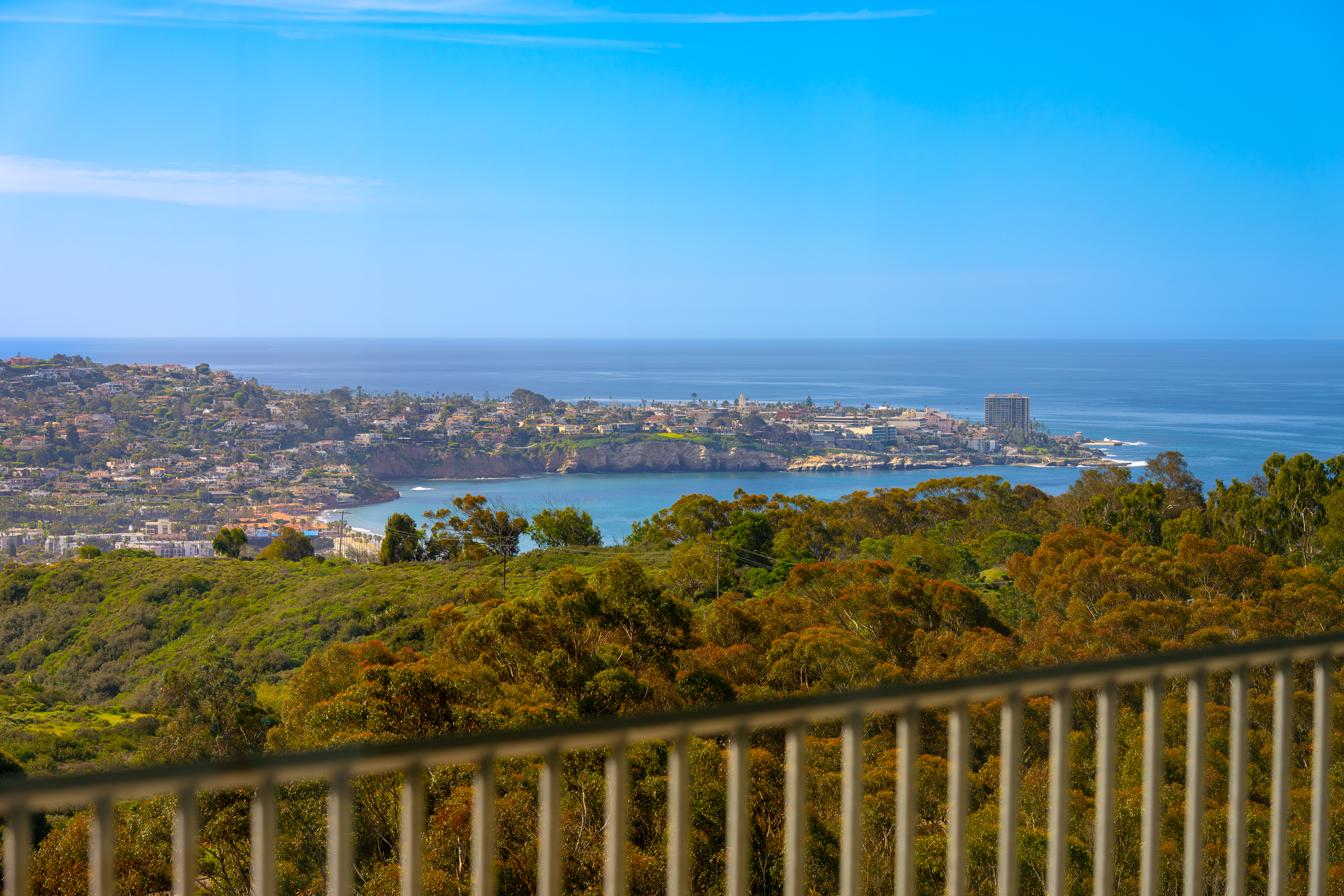
The conference was held on campus at UCSD with beautiful views of the Pacific Ocean, the city of San Diego and the mountains behind. This is the view of La Jolla from the conference center. |
 |
|
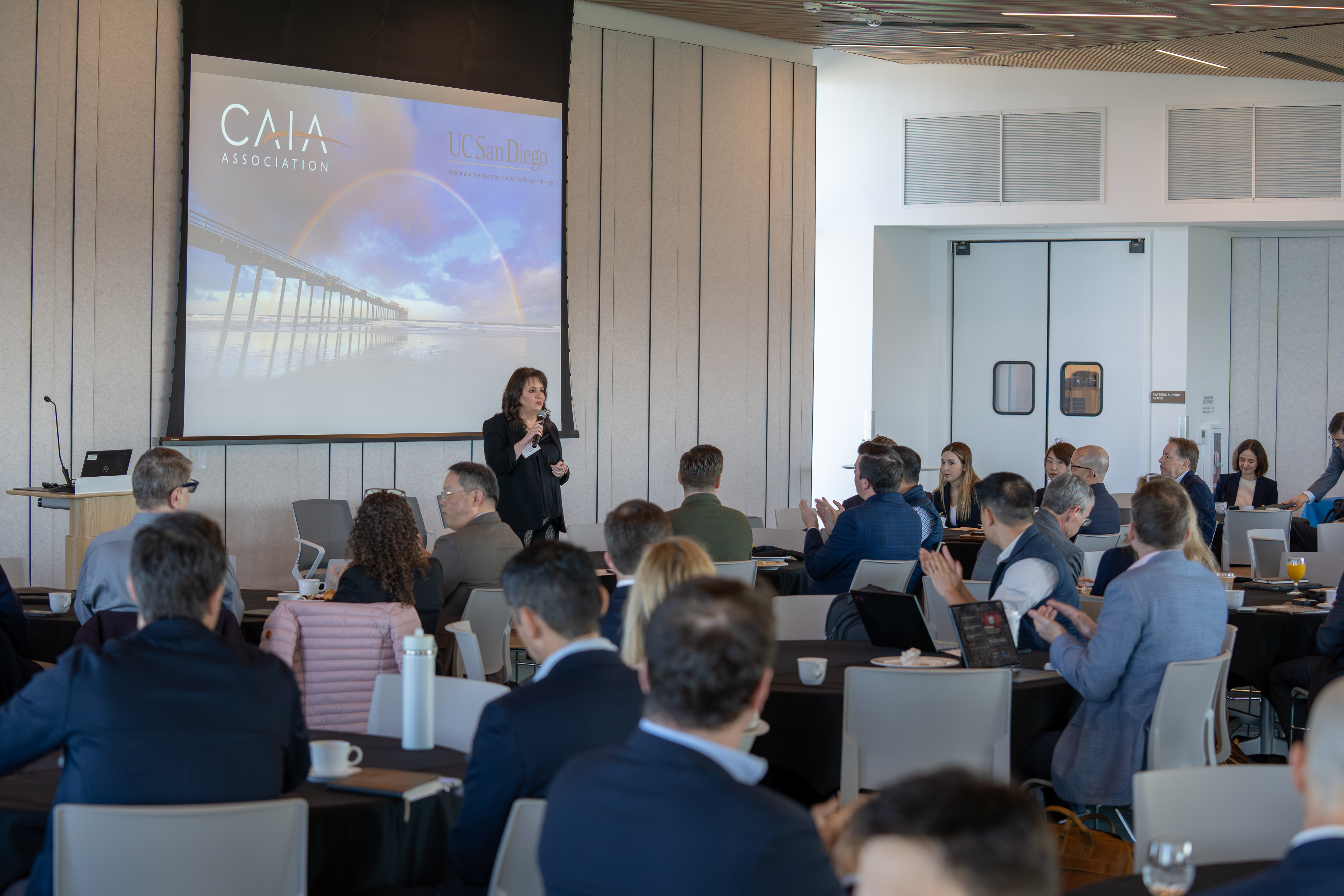
Molly Murphy, CIO of OCERS and Chair of the KKCFR CIO advisory board kicked off proceedings.
|
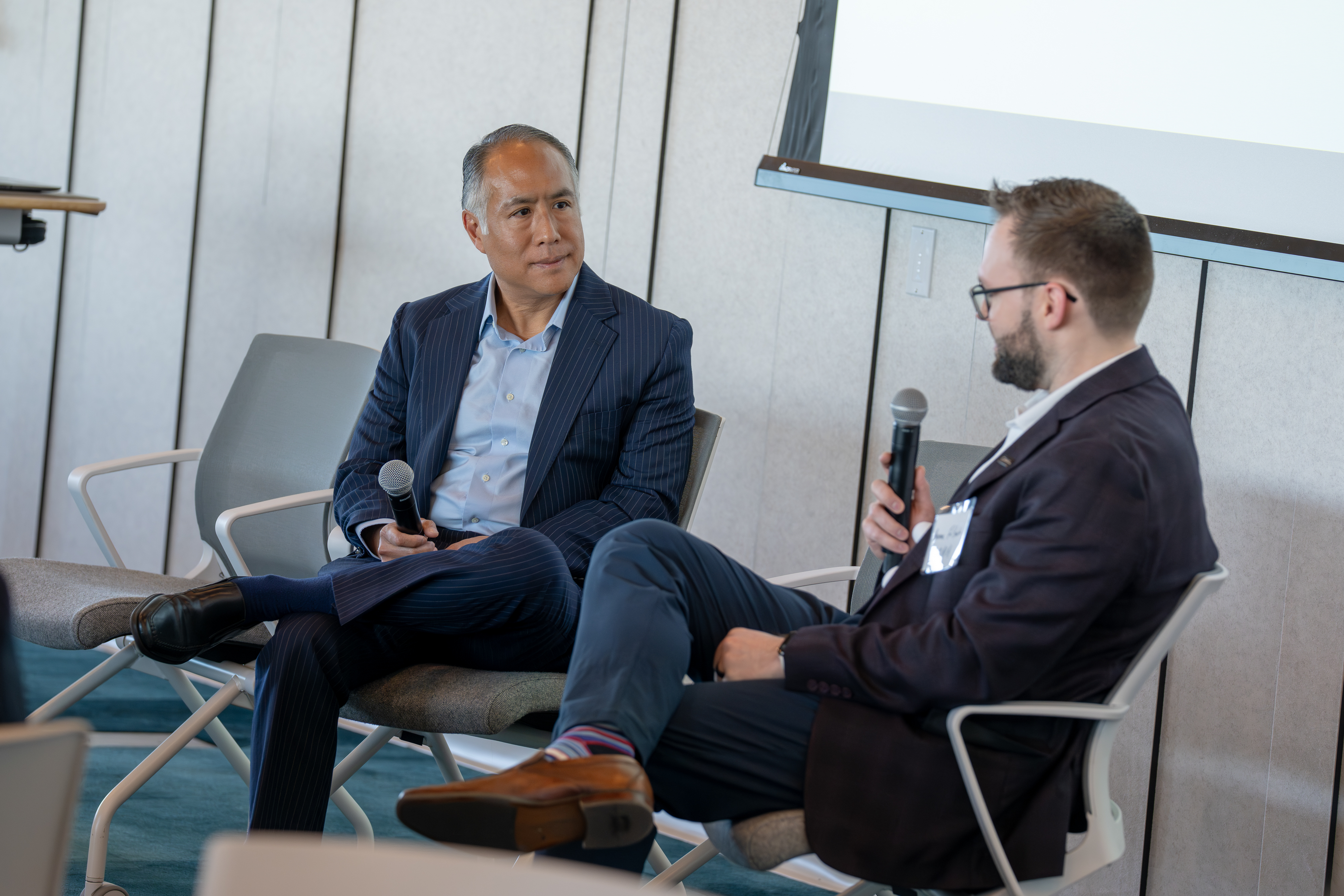 |
The first session “From Vision to Execution: How Investors Are Operationalizing the Total Portfolio Approach.” Involved a discussion between Aaron Filbeck, (CAIA, CFA, CFP®, CIPM, FDP, Managing Director, CAIA Association) and Scott Chan (CalSTRS). The Total Portfolio Approach, as the name suggests, involves unifying all investment strategies towards a single focused outcome. CalSTRS, the second largest pension fund in California, has moved to this way of managing their assets, adjusting management teams to fit the approach. |
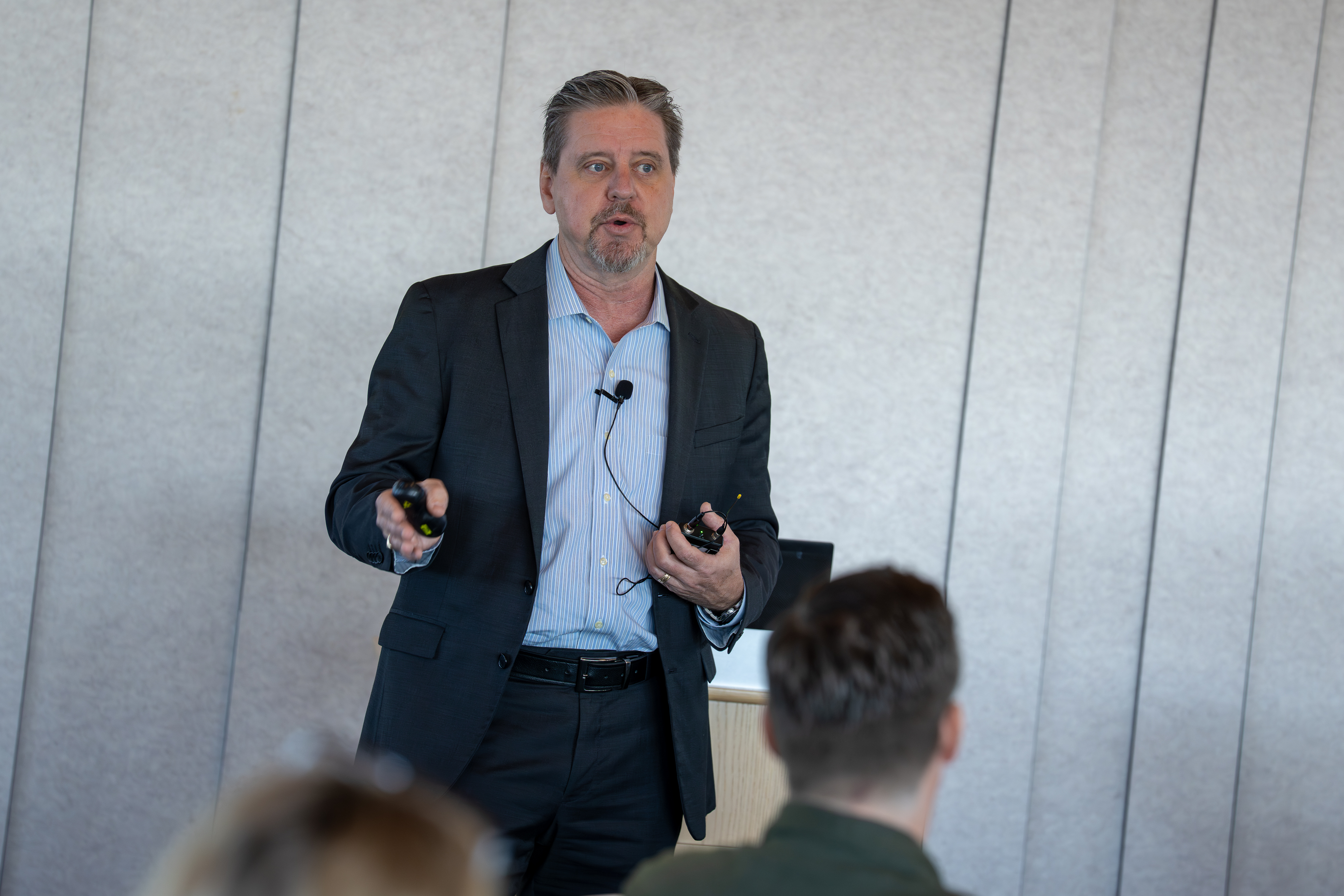
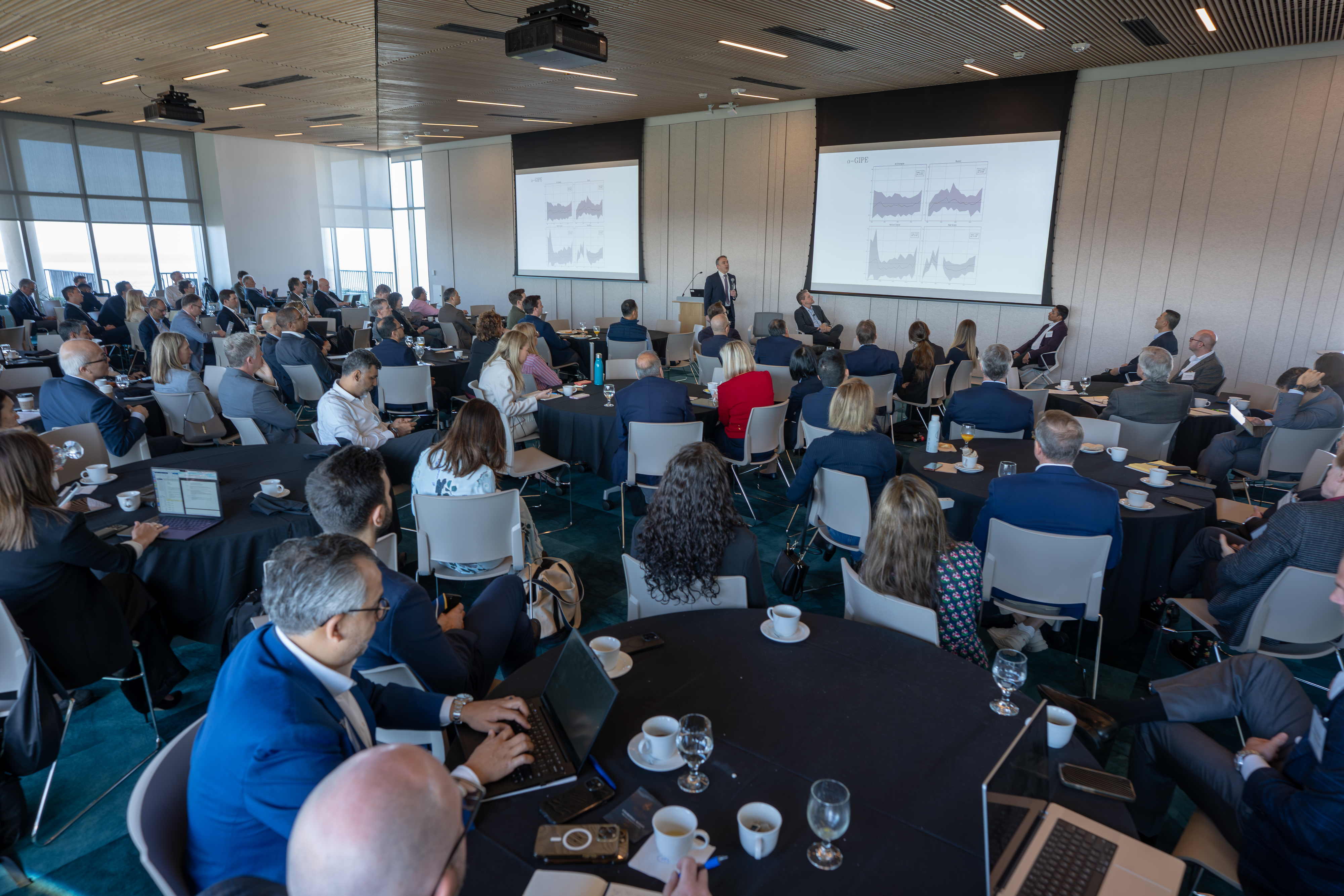
We then turned to KKCFR funded research. In “Let the data talk: Research panel on the drivers and impacts of our alternatives investments”, moderated by Rod June (LACERS), we heard from three awardees.
 |
 |
 |
|
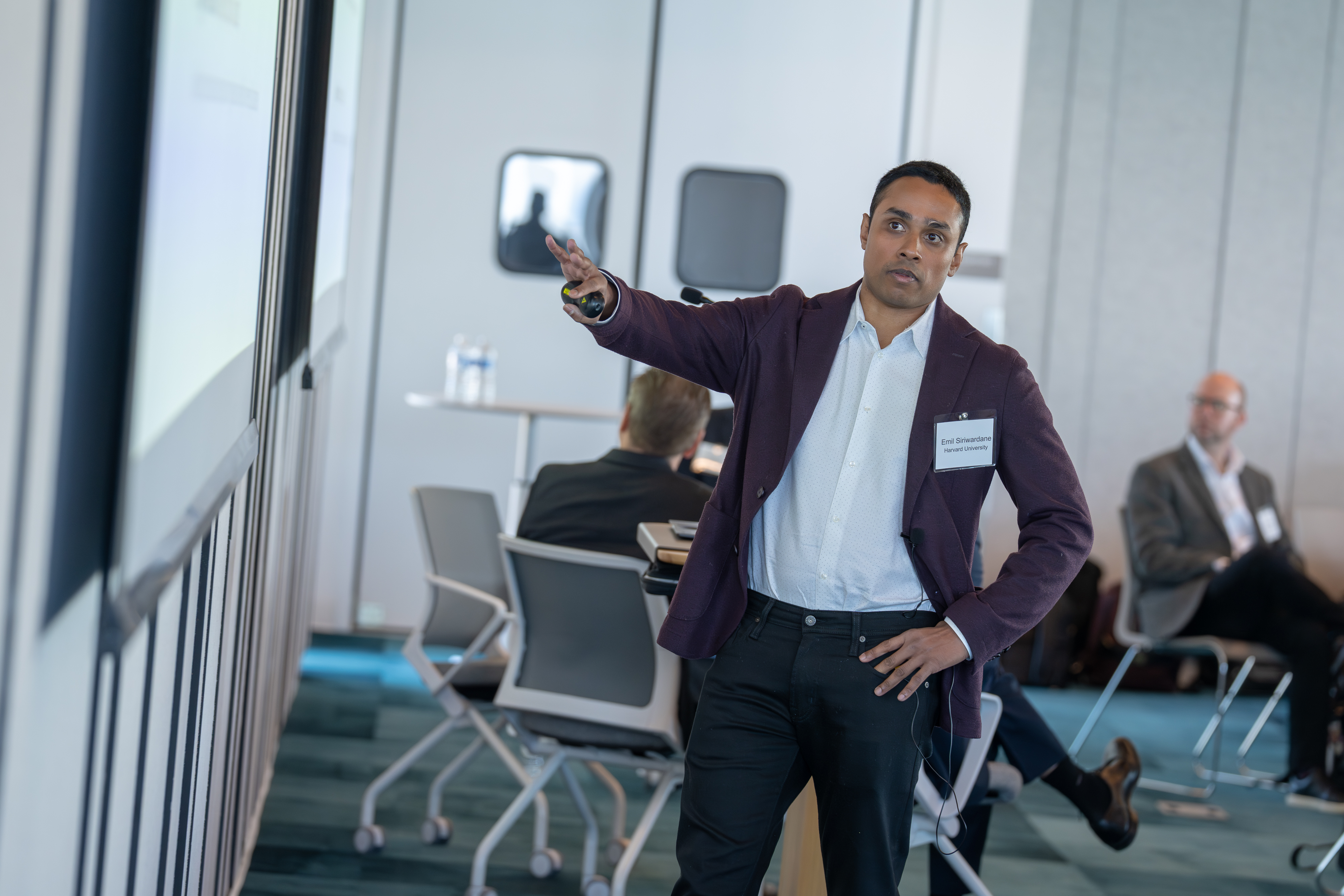
In “The Rise of Alternatives”, Emil Siriwardane (Harvard) looked at why pension funds have moved towards investments in alternatives. They found that that though this involves pension funds taking on more risk this seems more about risk adjusted returns and less about taking on more risk to deal with pension underfunding. The paper is available here. |
Greg Brown (U. of N. Carolina) gave a presentation entitled “Rethinking Private Markets as an Asset Class”. Using an extensive dataset built by the authors they looked at issues related to private fund performance analysis with the view to provide historical context for risk-adjusted performance. They examined a number of approaches, looking at how well different approaches lined up with each other. The paper is available here. |
In “Pension Fund Allocations to Private Equity and Portfolio Risk and Return”, Stavros Panageas (UCLA) looked directly at whether or not adding private equity to investment portfolios benefits investors. Apart from buyout funds, they found in their dataset that further increasing allocation to PE would not have helped. They found also that public pension funds obtained higher than average performance in private equity.
|
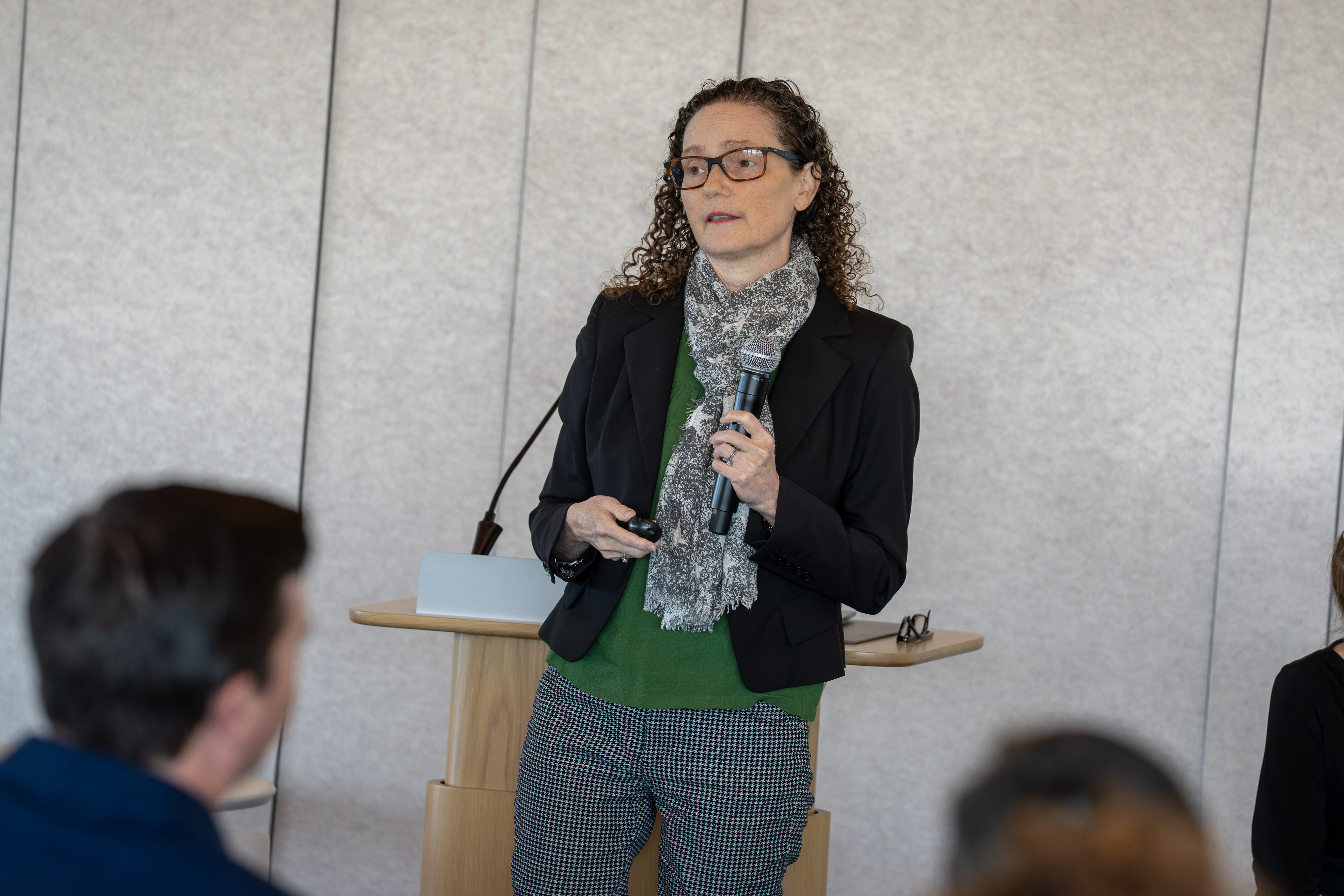
Amit Prakash (AIMco) then chaired a session with Christian Lundblad (U. of N. Carolina), Lisa Kramer (U. of Toronto), Kathleen McGarry (UCLA), each of whom presented results in areas of interest to pension fund managers asset managers.
 |
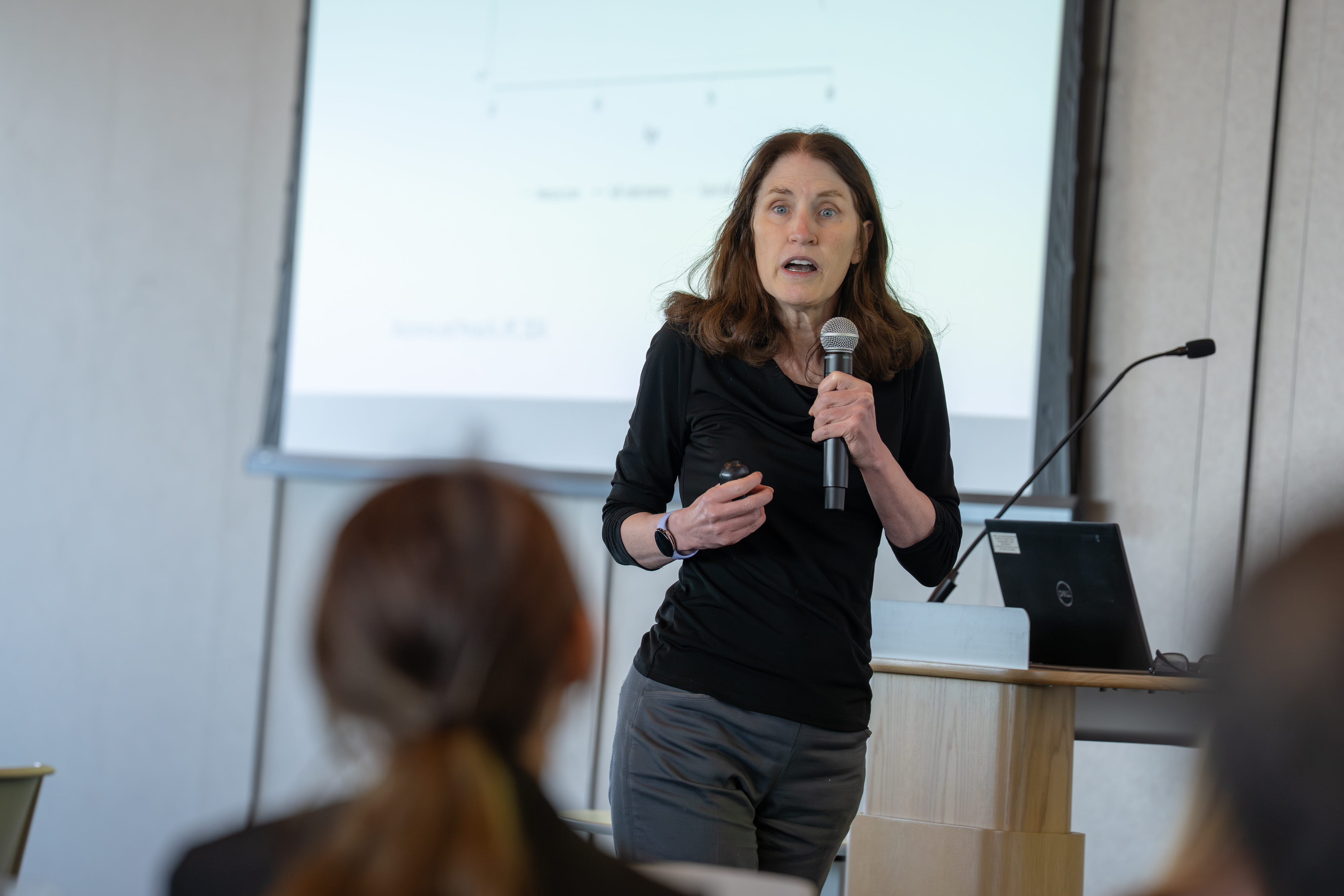 |
Christian Lundblad discussed issues with investing in private equity and how to resolve some of them using econometric modelling of valuations. Lisa Kramer presented results on the impact of lifecycle investing assumptions, noting that long term investors benefit from heavier equity allocations than is customary and a greater degree of international exposure. Kathleen McGarry showed results on issues related to dementia and financial decision making. Practically the question revolves around the best time for financial management decisions to be turned over to others which appears to be before diagnosis of diseases such as Alzheimers.
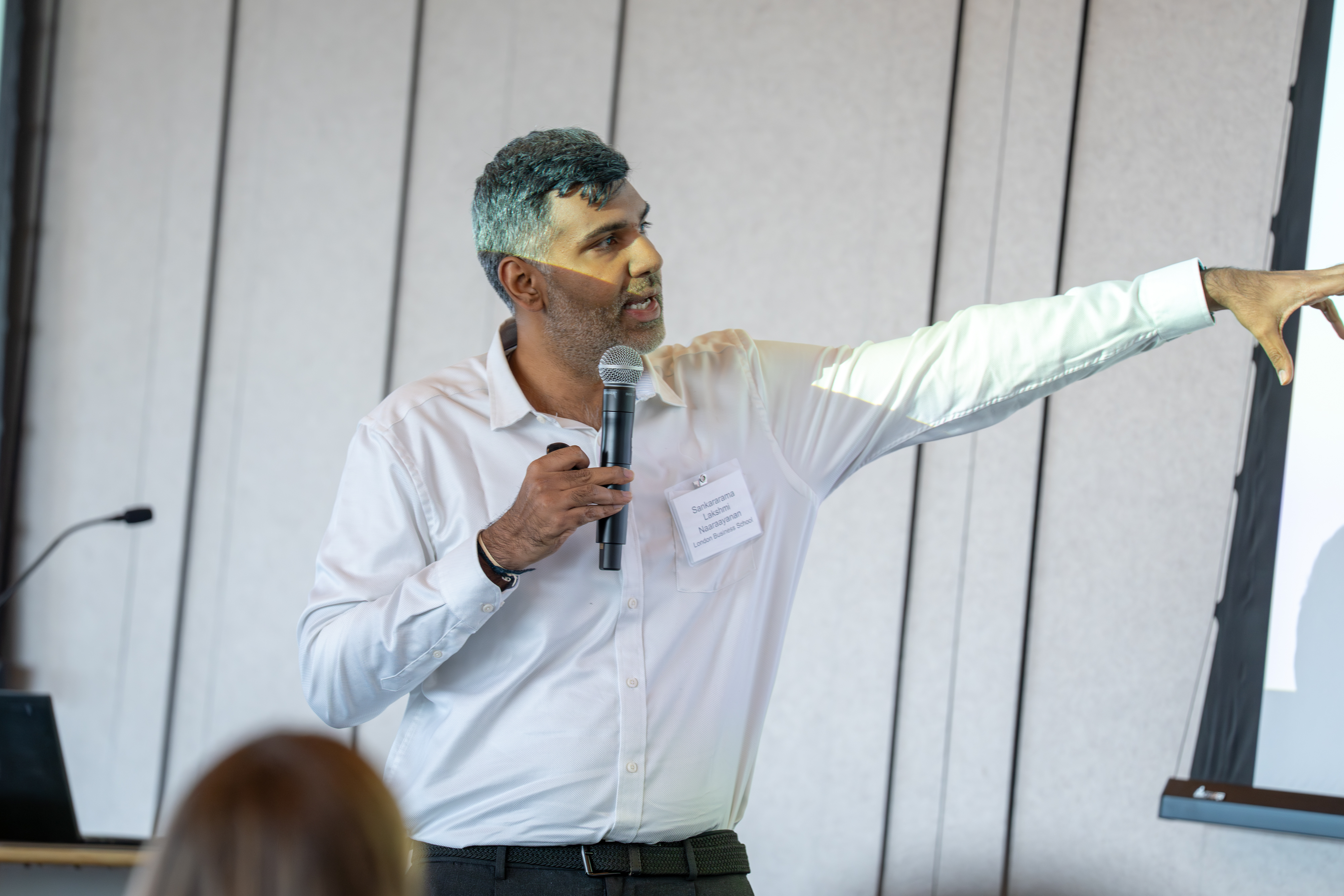
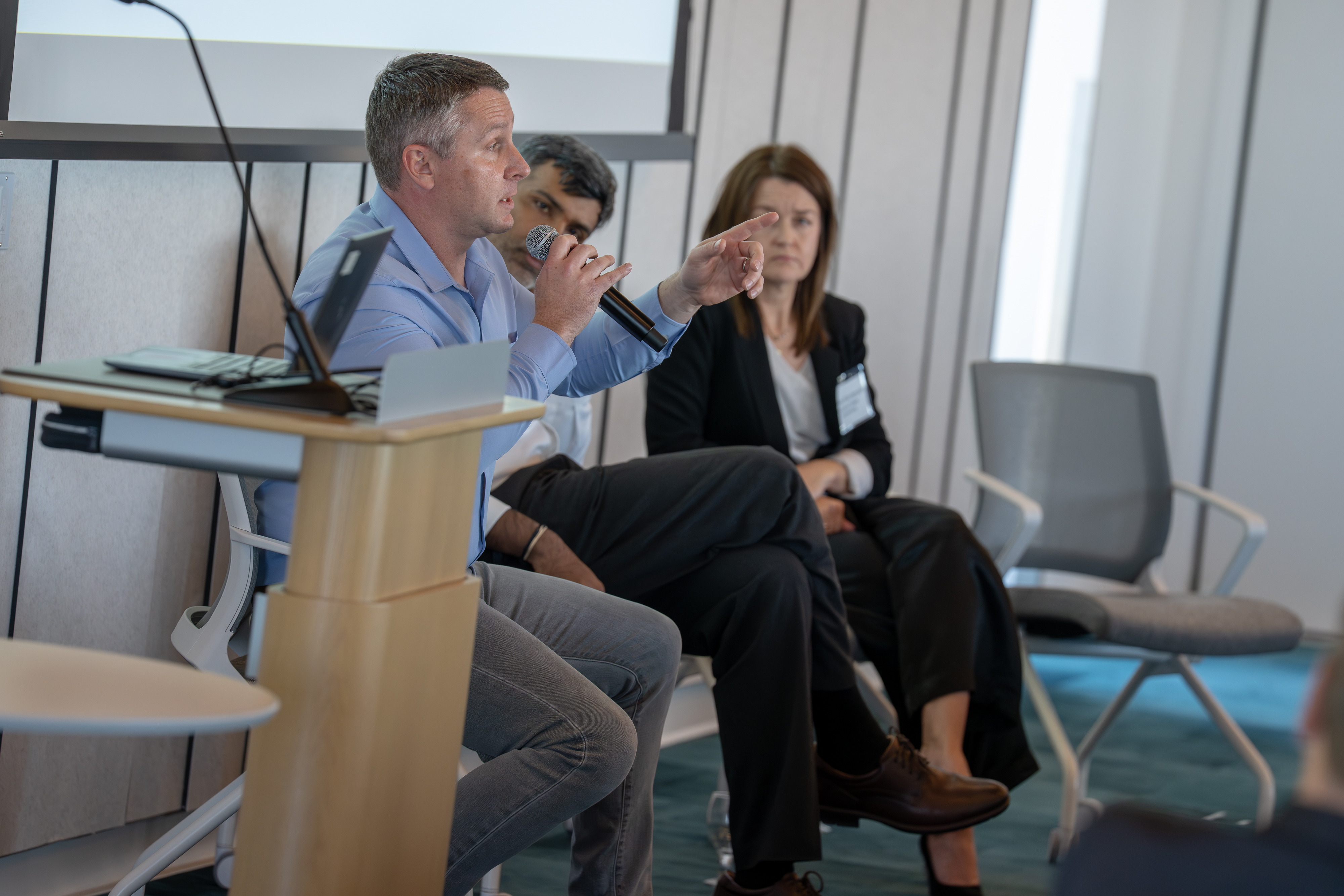
The last session before lunch on the first day was a research panel of KKCFR funded papers. The topic: Is sustainability a cost or a benefit? Why it matters what you measure. The session was moderated by Steve Sexauer (SDCERA).
 |
 |
 |
|
“Real Effects of Environmental Activist Investing”, presented by Lakshmi Naaraayanan (London Business School), examines if investor activism actually leads to real effects for the environment. Using plant-level data, the authors find that targeted firms reduce their toxic releases, greenhouse gas emissions, and cancer-causing pollution. Improvements in air quality within a one-mile radius of targeted plants suggest potentially important externalities to local economies.
|
In the second paper of the session “Designing ESG Benchmarks”, Natalia Kovrijnykh (Arizona State U.) and coauthors looked at two questions. First, how should fund investors concerned with climate change incentivize fund managers to invest according to their goals. Second, do ESG measures really get at what it means to be concerned about climate change. |
Finally, in “ESG and the Conditional Price of Risk”, Seth Pruitt (Arizona State U.) presented results that suggested that ESG measures are less about chasing alpha than controlling risk. The paper is available here. |
The first post-lunch session, hosted by CAIA, involved a discussion between John Bowman (CAIA) and Jeff Mindlin (The Nature Conservancy). The topic was “Navigating Geopolitical Risks in a Multipolar World”.
Chris Ailman (Ailman Advisors) then moderated a discussion with the CIO’s working with the KKCFR. The discussion revolved around broad investment totals and goals, with each CIO discussing their fund’s approach.
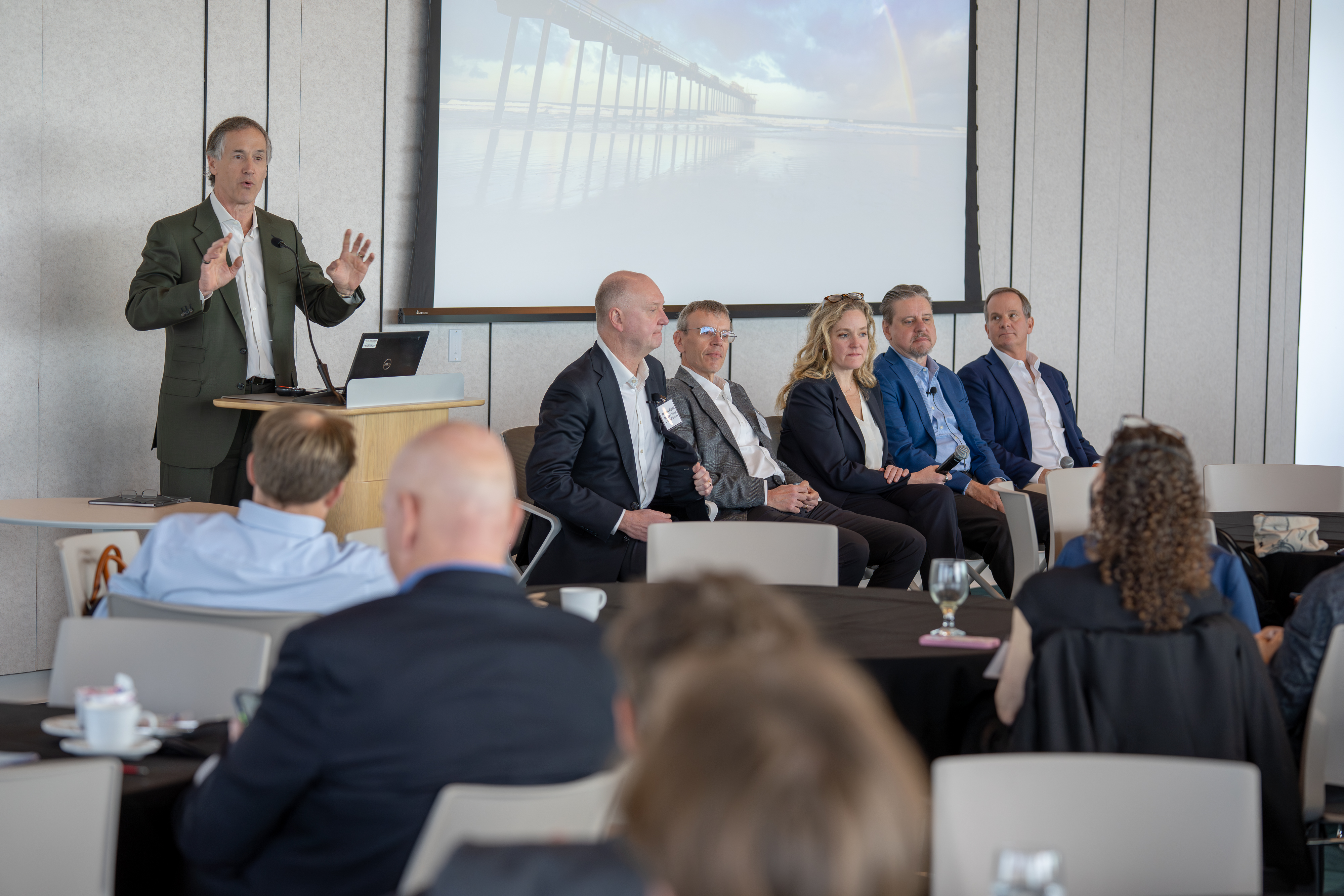
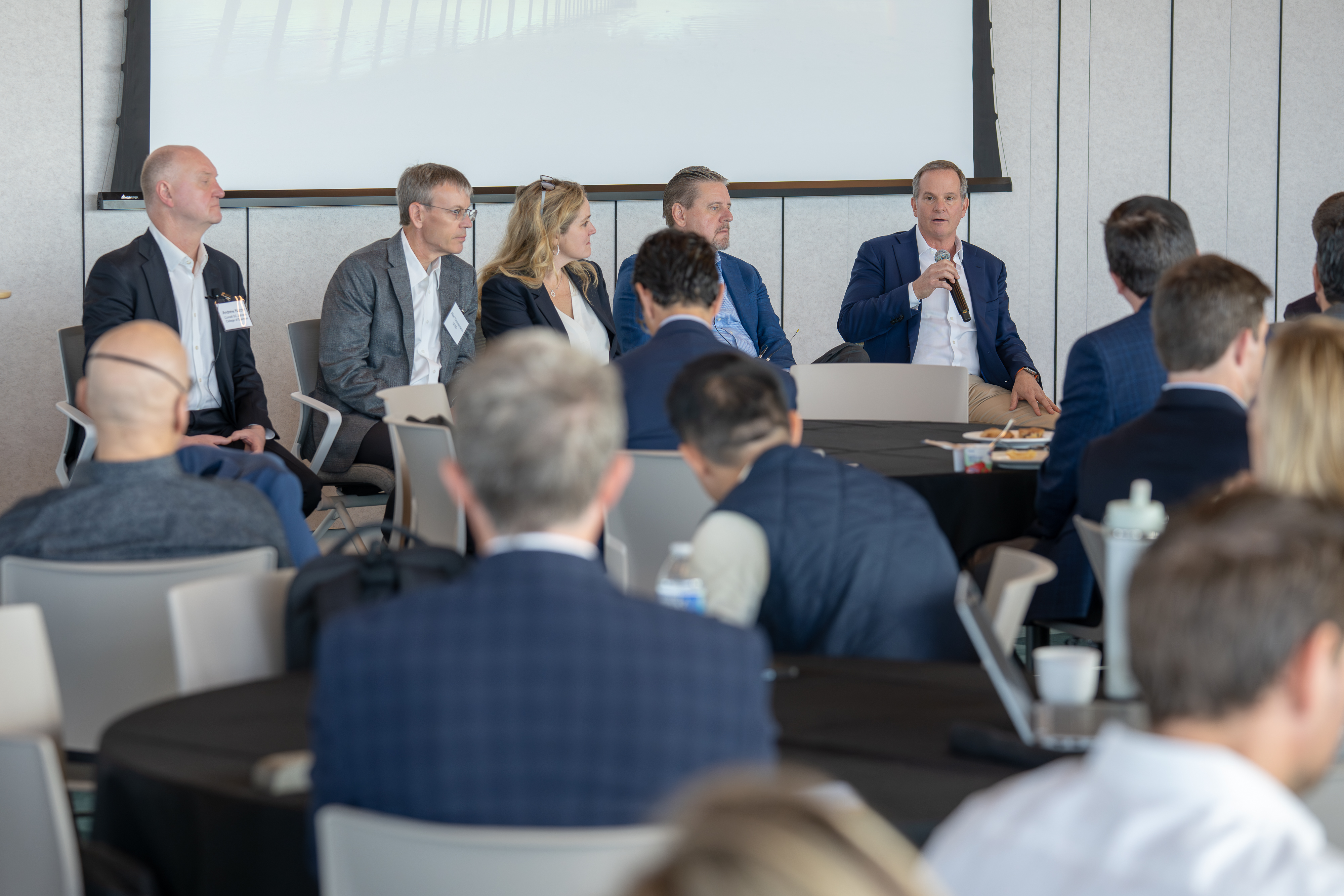
The last session of day 1 was a research panel, “Getting the big investment decisions right” Chaired by Ramy Rayes (BCI), we had updates on three KKCFR funded papers.
Keith Brown compared the investment performance of university endowment funds versus defined-benefit public pension plans over a 20-year period. This research finds that endowment funds benefitted from getting into alternative asset classes earlier than pension plans, primarily through their ability to recruit experienced managers with expertise in alternative assets. Consistent with this early mover advantage, Professor Brown’s work finds that while the investment performance of large endowments’ has benefitted from investing in alternative asset classes, this does not hold for pension plans.
Timmermann’s work documents economies of scale in pension plans’ investment management costs. Scale economies and cost savings are largest for public asset classes and for passively managed investments. Conversely, actively managed investments in alternative asset classes are more labor intensive and do not display any notable economies of scale. These findings help explain large plans’ drive towards heavier investments in private asset classes.
Professor Wermers concluded the session by summarizing his learnings from decades-long studies of active management. His main takeaway was that estimating fund manager skill (alpha) is complex because it varies over time and has a strong idiosyncratic component. He conjectured that the rise of ETFs and passive management creates new opportunities for active fund management through its impact on the market equilibrium.
 |
 |
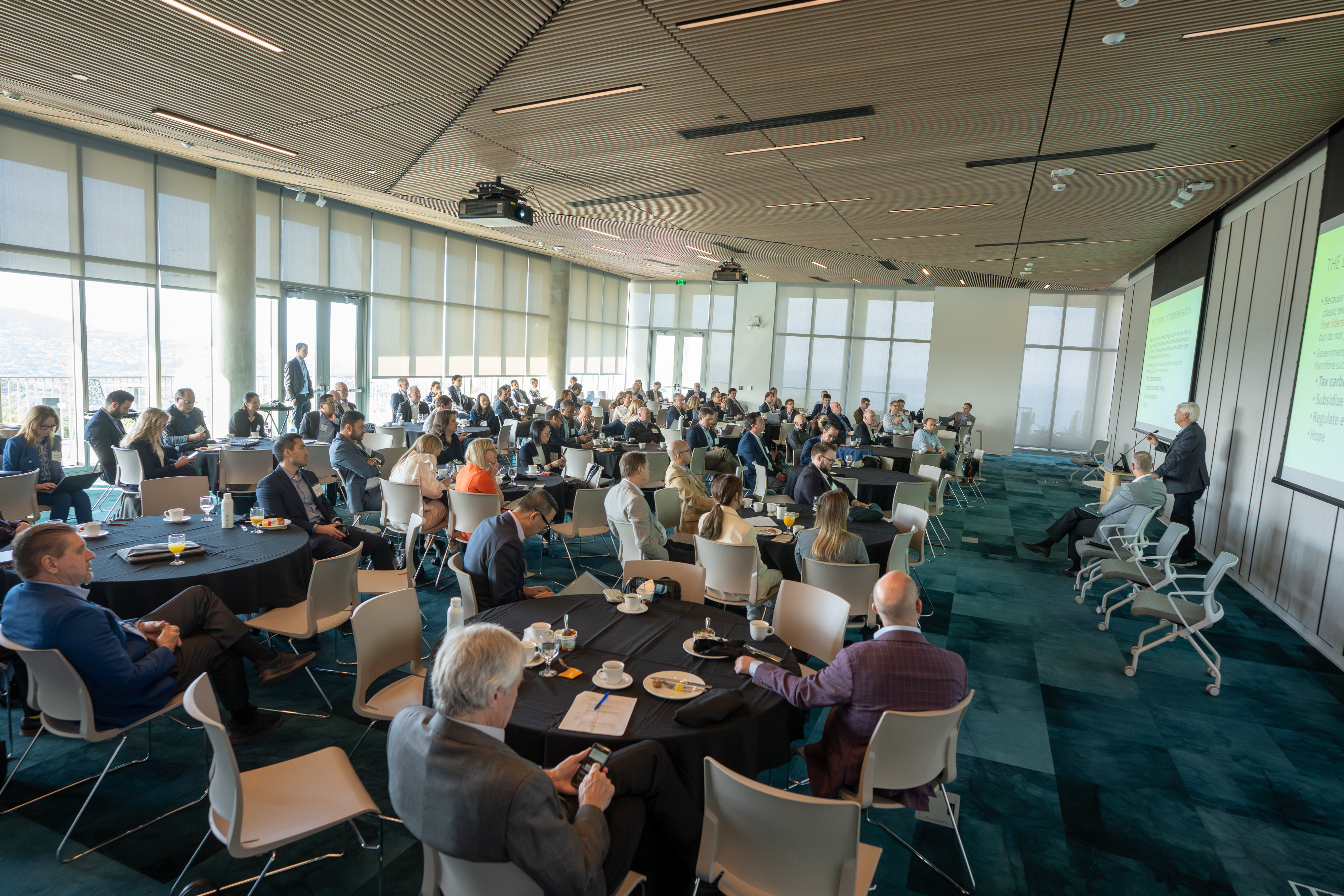
The main thrust of the KKCFR is to bring academics and industry professionals together to improve both the work academics do and the decisions industry professionals make. Day 2 began with Ken Kroner moderated a discussion “Talk to me! The relationship between academia and industry” with panelists: Greg Brown (U. of N. Carolina), Andrew Karolyi (Cornell U.), Allan Timmerman (UCSD), Katy Kaminsky (AlphaSimplex), and Robert Koenigsberger (Gramercy). Much of the discussion revolved around how we can do things better in this space. Andrew Karolyi, with his editor hat on, discussed how academic journals do a poor job focusing on the main issues facing industry. The general view was that the KKCFR can play a big role here.
 |
 |
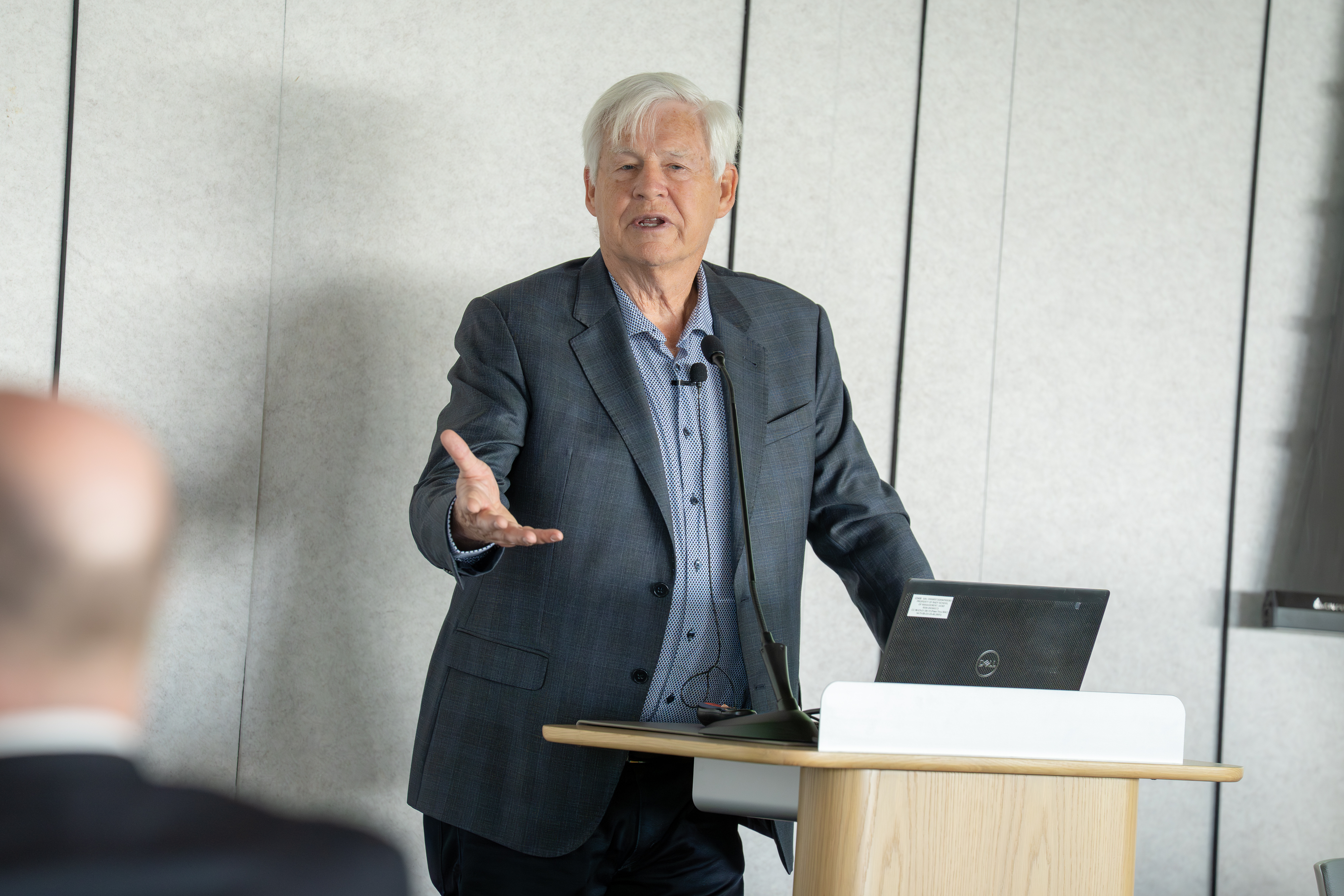
Nobel Laureate Robert Engle spoke on his research on investing in the presence of climate risk. Rob discussed how climate risk is a long term risk, breaking this risk down into both physical and transitional risks. He explained how transition risk portfolios work as well as referring to his paper “CRISK: Measuring the climate risk exposure of the financial system” published in the Journal of Financial Economics (2025) in relation to the climate risks faced by banks. Their measurements are available at his VLAB at https://vlab.stern.nyu.edu/climate/CLIM.WORLDFIN-MR.CMES. Rob went on to discuss termination risk for companies exposed to climate issues.
The final panel of the conference, including a presentation by Matteo Bonetti (De
Nederlandsche Bank), focused on the role of consultants. In his paper with Andonov and Stefanescu titled “Choosing Pension Fund Investment Consultants” Matteo showed empirical evidence regarding how investment consultants shape the investment policies of pension funds. He and his coauthors found that pension funds adjust their asset allocations towards the average portfolios of the consultants existing clients and were more likely to invest in private funds. After the talk there was a lively panel discussion with Scott Chan (CalStrs), Prakash Kannan (GIC), and Stephen McCourt (Meketa Investment Group).
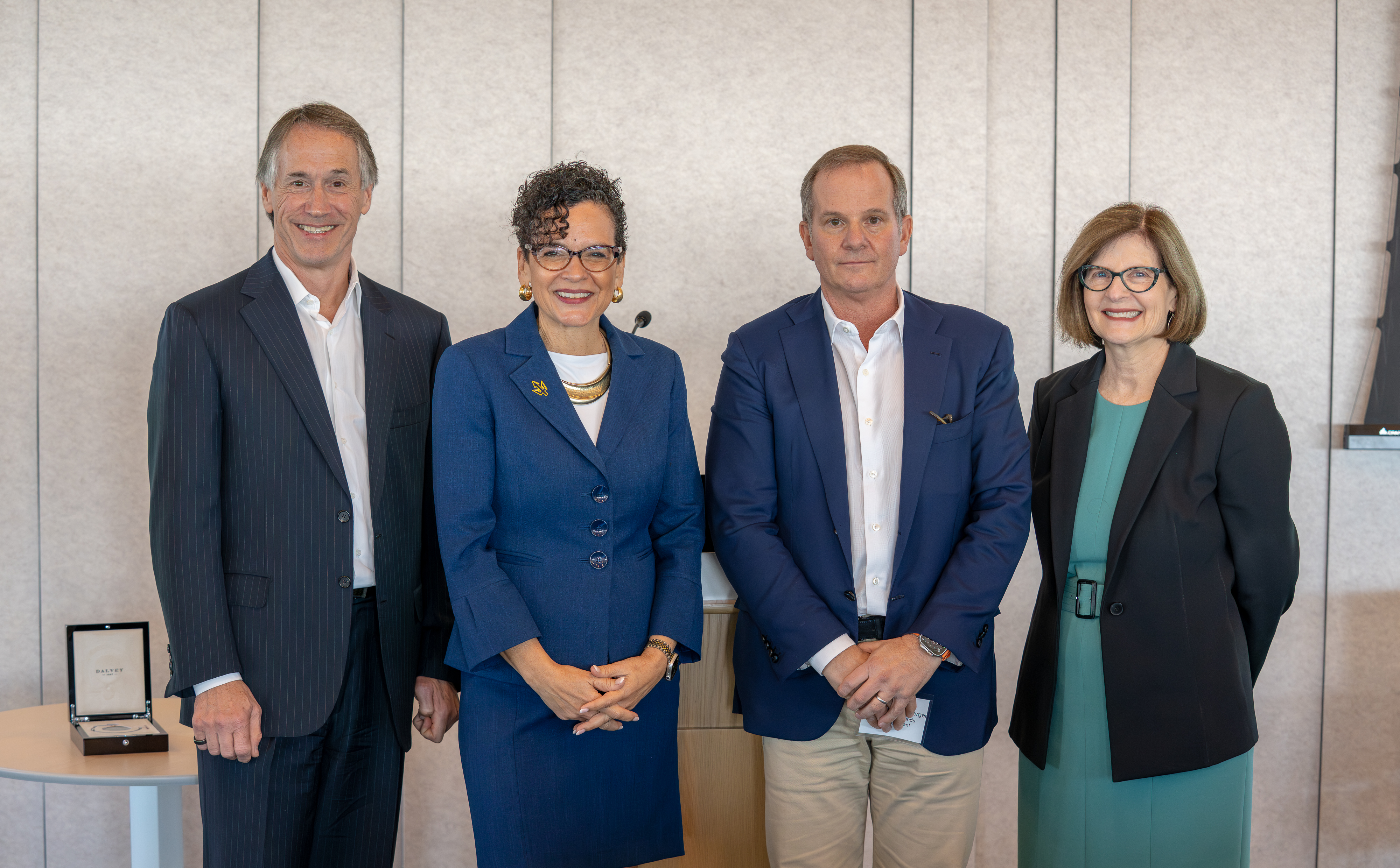 |
| Ken Kroner, Dean Lisa Ordonez (Rady), Robert Koenigsberger and Dean Carol Padden (Division of Social Sciences) |
KKCFR/CAIA Industry Conference Agenda
Day 1, Feb 4
| 9.00-9:30 |
Welcome and overview of the conference, Molly Murphy (OCERS) • What is the KKCFR? Graham Elliott, Michael Melvin • What is CAIA? John Bowman, Aaron Filbeck |
| 9:30-10.00 |
From Vision to Execution: How Investors Are Operationalizing the Total Portfolio Approach. Presenter/Facilitator: Aaron Filbeck, CAIA, CFA, CFP®, CIPM, FDP, Managing Director, CAIA Association Interviewee: Scott Chan, CFA, Chief Investment Officer of CalSTRS |
| 10.00-10:45 |
Let the data talk: Research panel on the drivers and impacts of our alternatives investments; Rod June (LACERS), chair The Rise of Alternatives, Emil Siriwardane (Harvard) Rethinking Private Markets as an Asset Class, Greg Brown (U. of N. Carolina) Pension Fund Allocations to Private Equity and Portfolio Risk and Return, Stavros Panageas (UCLA) |
| 10:45-11:15 | Networking Break |
| 11:15-11:45 |
Quick takes: Three academic papers practitioners need to know about, Amit Prakash (AIMco), chair Christian Lundblad (U. of N. Carolina), Lisa Kramer (U. of Toronto), Kathleen McGarry (UCLA)
|
| 11:45-12:30 |
Research panel: Is sustainability a cost or a benefit? Why it matters what you measure; Steve Sexauer (SDCERA), chair Real Effects of Environmental Activist Investing, Lakshmi Naaraayanan (London Business School) Designing ESG Benchmarks, Natalia Kovrijnykh (Arizona State U.) ESG and the Conditional Price of Risk, Seth Pruitt (Arizona State U.) |
| 12:30-1:30 | Lunch |
| 1:30-2:15 |
Navigating Geopolitical Risks in a Multipolar World |
| 2:15-3:15 |
From the CIOs: How alternative can our alternatives allocations get?; Chris Ailman (Ailman Advisors). moderator. All KKCFR CIOs participating
|
| 3:15-3:45 | Break |
| 3:45-4:30 |
Research panel: Getting the big investment decisions right; Ramy Rayes (BCI), chair Portfolio Design Issues for Institutional Investors, Keith Brown (U. of Texas) The Case for Scale in Portfolio Management, Allan Timmermann (UCSD) Institutional Investor Strategies and Performance, Russ Wermers (U. of Maryland) |
| 4:30-4:45 |
Closing Remarks: Day One, Molly Murphy (OCERS)
|
| 5.00-6:30 |
Reception hosted by CAIA
|
|
Day 2, Feb 5
|
|
| Slides for the Day 2 sessions. | |
| 9.00-9.05 | Molly Murphy (OCERS) |
| 9.05-9:45 | Talk to me! The relationship between academia and industry; Ken Kroner, chair Panelists: Greg Brown (U. of N. Carolina), Andrew Karolyi (Cornell U.), Allan Timmerman (UCSD), Katy Kaminsky (AlphaSimplex), Robert Koenigsberger (Gramercy) |
| 9:45-10:30 |
Insights from a Nobel Laureate: A conversation on investing and environment; Michael Wissell (HOOPP), chair Rob Engle (NYU)
|
| 10:15-11.00 | Networking Break |
| 11:00-11:45 |
Blended panel: Measuring the value proposition of the investment consulting industry; David Tien, CPPIB, chair
|
| 11:45-12:00 | Final closing remarks, Molly Murphy (OCERS) & John Bowman (CAIA) |